Wall of Shack
The social launch campaign for Shake Shack's first Hong Kong location, built on the city's street art rather than on the burger. Best Use of Social Media, PR Awards 2018.
- Company
- Shake Shack Hong Kong
- Year
- 2018
- Role
- Creative Director, Rubison Marketing Solutions
- Category
- Social Campaign / Experience Design
- Adobe Photoshop
- Adobe Illustrator
Context
Shake Shack opened its first Hong Kong location on May 1, 2018 at IFC Mall, with a pop-up preview at the IFC Atrium two weeks earlier on April 14. It was the brand's entry into one of Asia's densest and most design-literate retail markets.
I was creative director on the launch through Rubison Marketing Solutions, covering the social campaign that ran ahead of the opening and the concept and experience design for the restaurant itself.
Problem
Hong Kong already had good burgers, and a New York chain arriving there usually goes one of two ways.
It can lean on being American: ship the New York look over intact, sell the queue and the hype, and let novelty carry the opening. Novelty does not last long in a city that gets a new international launch every month, and the restaurant is left looking like a themed set once it wears off.
Or it can adapt so heavily that nothing is left of why people wanted the brand to begin with.
Underneath both was a practical problem. The campaign had to run for weeks before there was anything to photograph. No storefront, no dining room, no food shot on location. All we had was a date, and repeating a date is not a campaign. It is a countdown, and it gives people nothing to do but wait.
Solution
The campaign was called Wall of Shack, and it turned the timing problem into the idea. If there was no restaurant to photograph, we would photograph the city instead and let the brand move through it.
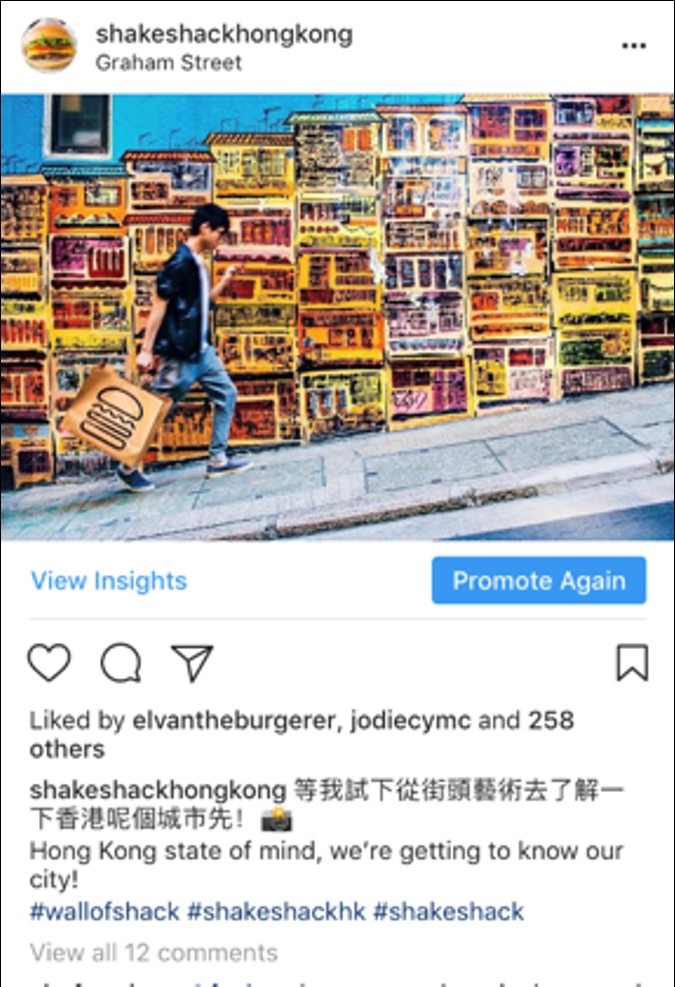
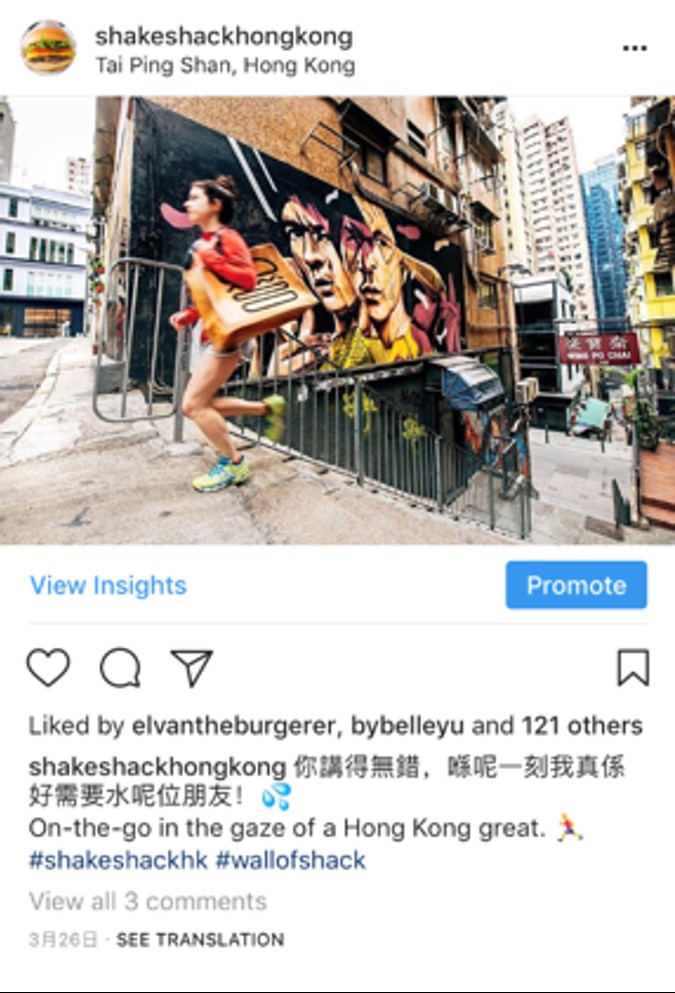
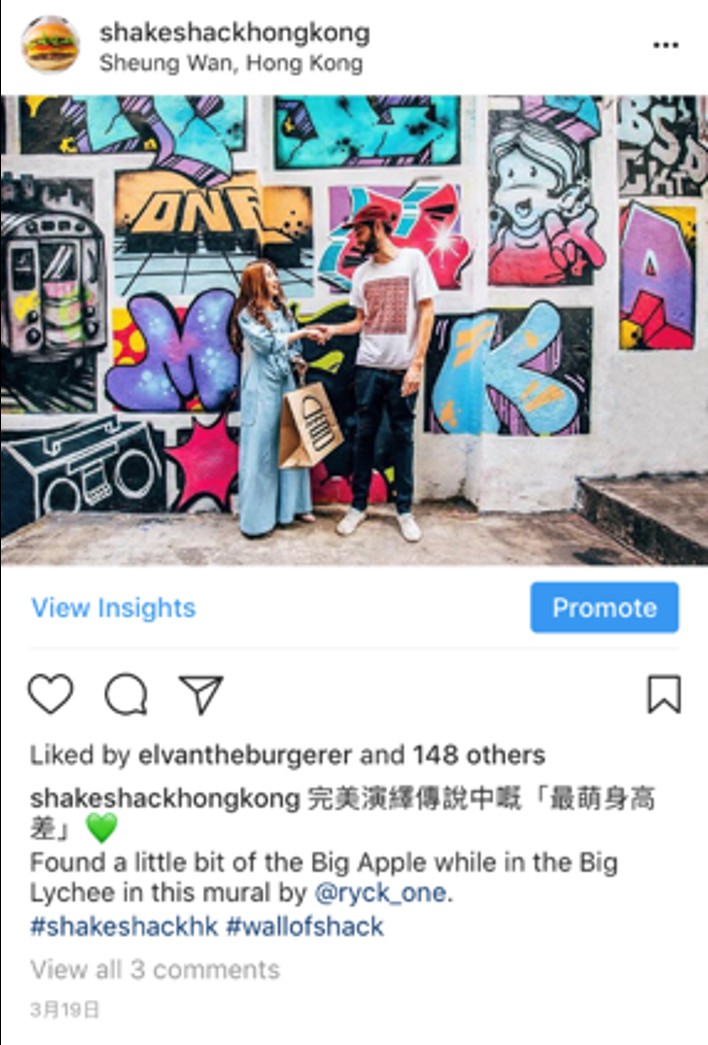
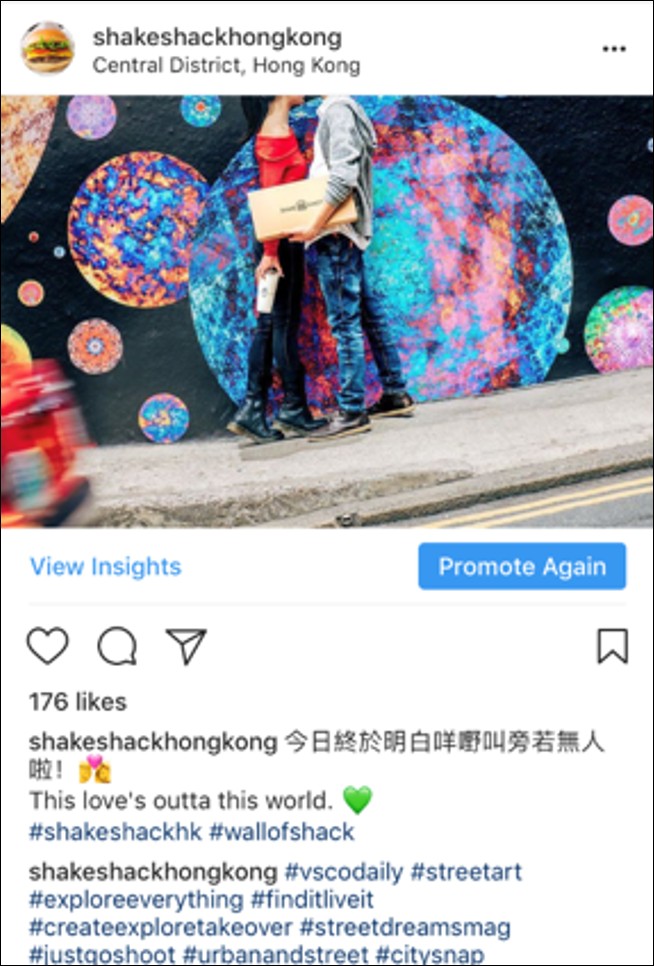
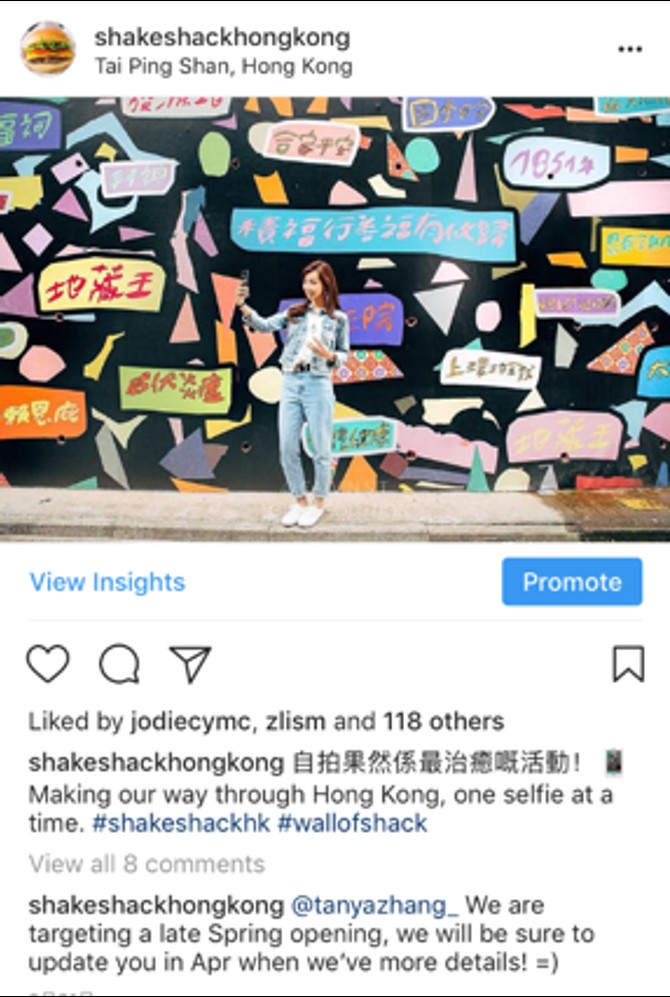
Hong Kong's street art walls are some of the most photographed surfaces in the city. Graham Street in Central, the Bruce Lee mural in Tai Ping Shan, the graffiti around Sheung Wan. People already go out of their way to be photographed in front of them. So we put a Shake Shack bag in front of one wall after another, week after week, and let the bag be the character. No storefront required, and no burger either.
In most of the pictures the bag is the only Shake Shack in frame. That was the rule the campaign held to. Because the food never appeared, people started recognising the bag itself, which is what the agency meant by a visual hypnotization approach: run the same simple device across enough places and it becomes familiar before the restaurant is even real.
The more useful decision was what the walls were doing there. Instead of announcing that New York was coming to Hong Kong, we went looking for the New York already in Hong Kong, and found it painted on the walls. One post stops at a Sheung Wan mural with a New York subway car in it and just says so: a little bit of the Big Apple while in the Big Lychee. In that picture the brand is not being imported. It is being spotted somewhere it already fits.
The way the posts were written and tagged followed from that. Captions ran Cantonese first and English second, in the voice of someone who lives in the city rather than a brand talking to it. The hashtags went after the street photography crowd rather than the food crowd: street art, city snaps, urban and street. Those people were already visiting these walls, so we only had to give them a reason to post about one. Getting them interested was a much shorter trip than persuading anyone to care about another burger.
Customer Journey
The campaign was built to accumulate rather than to spike.
It started with the walls and the bag, no date and no product. Posts went up through March, moving around the city: Central, Sheung Wan, Tai Ping Shan. Each one drew a couple of hundred likes, which is about right for a teaser. Recurrence mattered more than reach.
The comments did something the posts could not. People kept asking when it was opening, and the account answered them, telling one that the target was late spring with more to come in April. A teaser makes people ask a question, and if nobody answers it the interest quietly drains away.
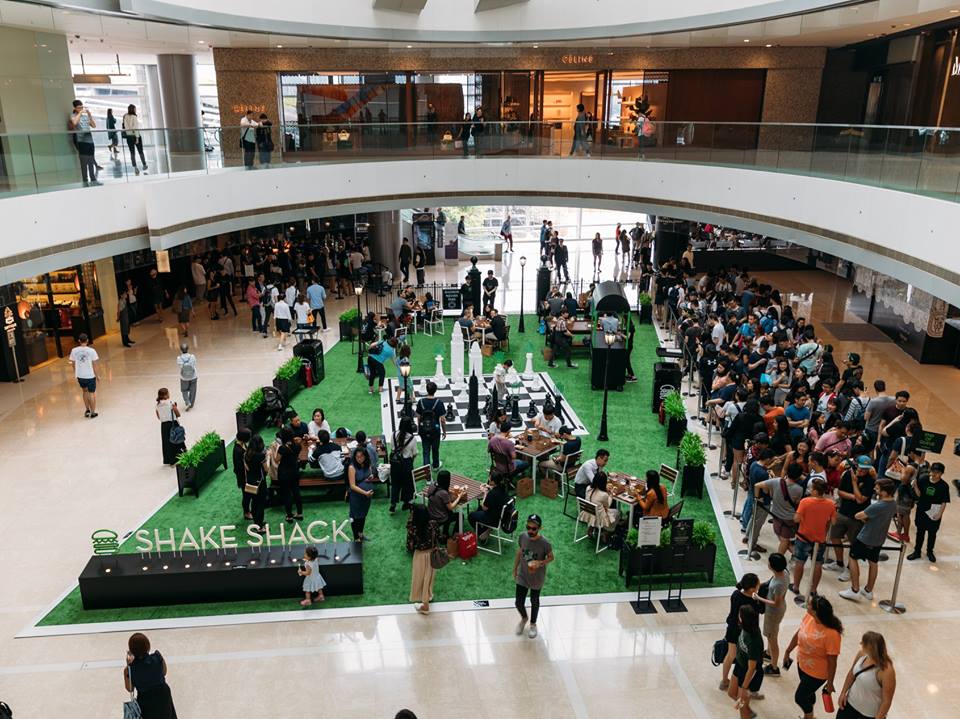
The pop-up at the IFC Atrium on April 14 was the first time the food appeared. It sold out.
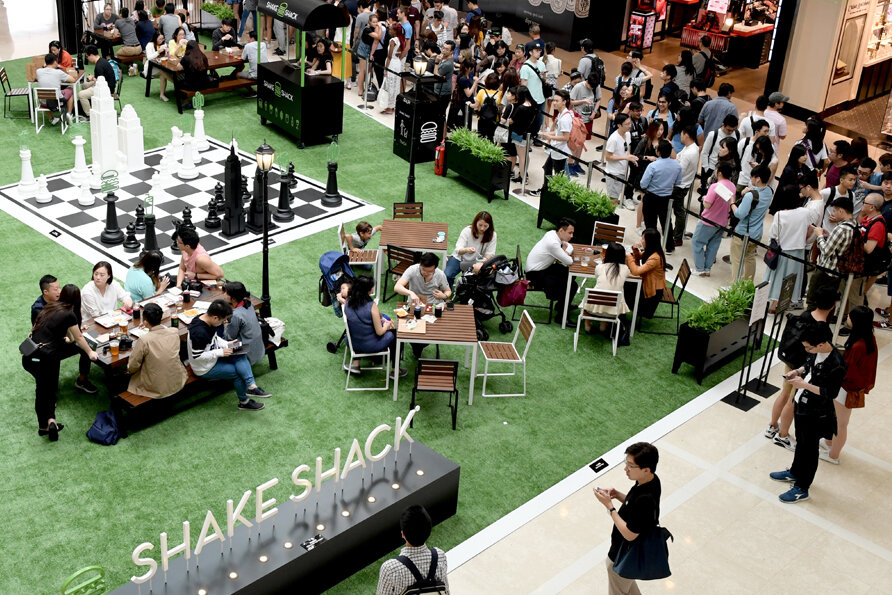
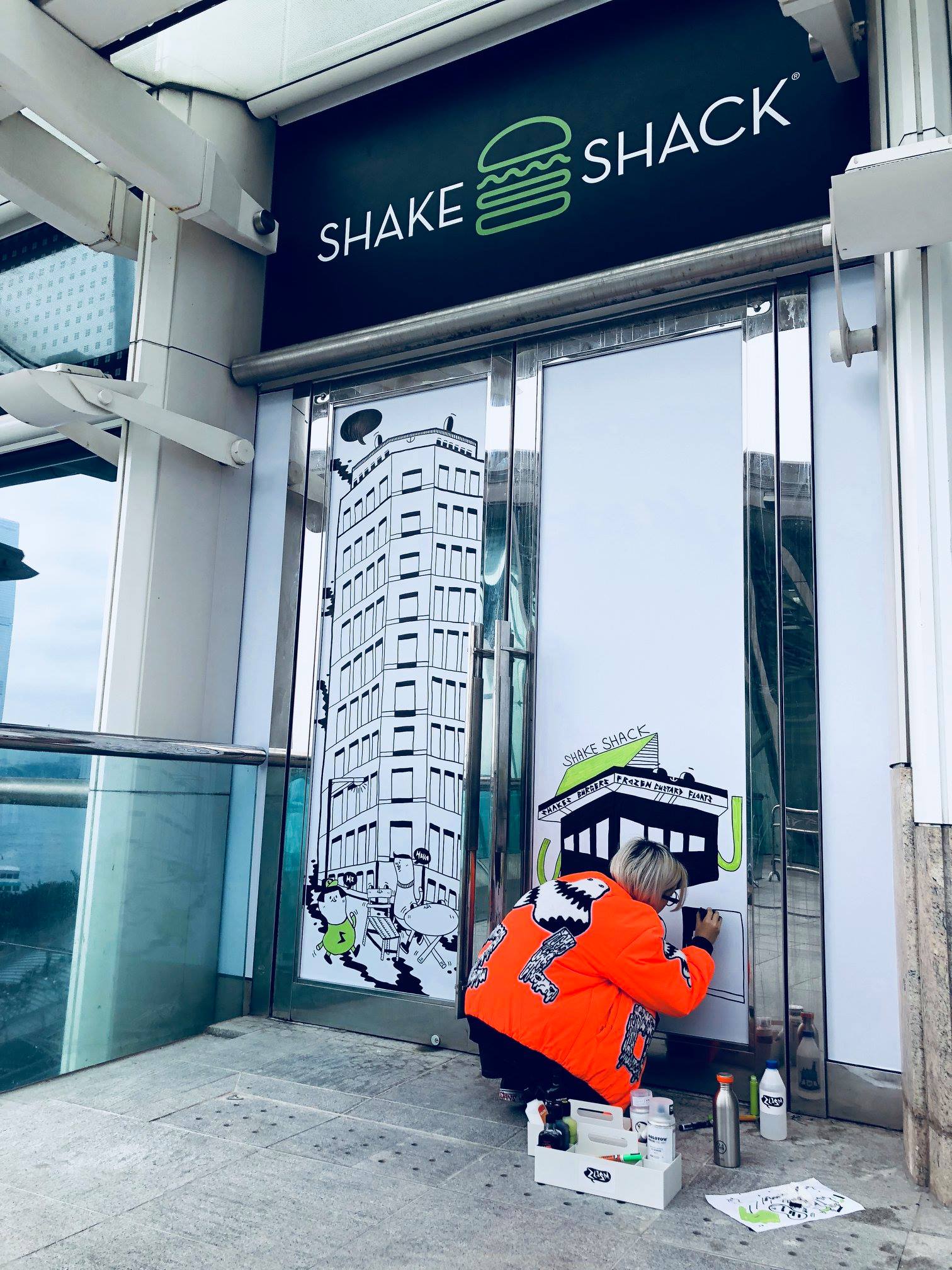
The restaurant made the same argument in physical form. We built the concept on something the two cities genuinely have in common rather than on American styling: both are crowded places where public space ends up being social space. Shake Shack started as a hot dog cart in Madison Square Park, so the New York worth borrowing was the park, not the skyline. That gave us life-sized chess, park benches and turf, and a local artist drawing the storefront by hand before opening. The result reads as Hong Kong's own version of a public square, and it puts the same street art that carried the campaign onto the building.
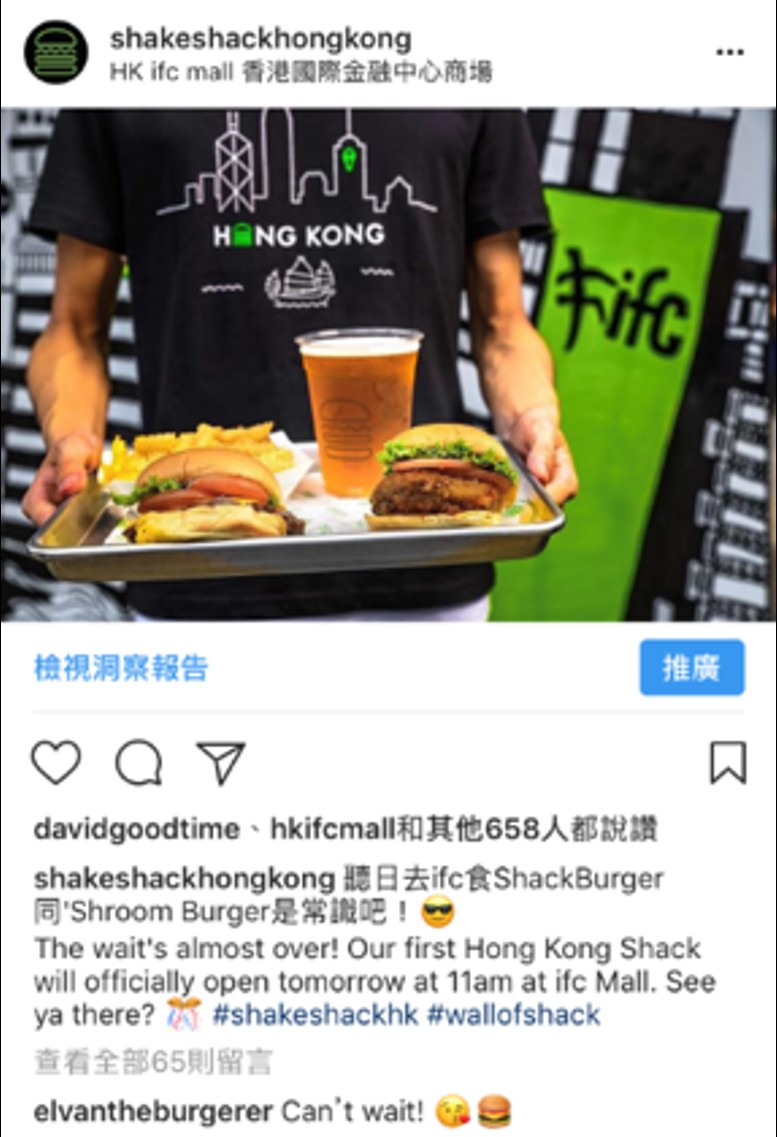
The last post went up the night before opening, and it was the first one to lead with food instead of a wall: a tray of ShackBurgers and a 'Shroom Burger against a Hong Kong skyline tee, announcing the 11am open at IFC. It took 658 likes and 65 comments, several times any teaser. Holding the food back for six weeks is what made that land.
Impact
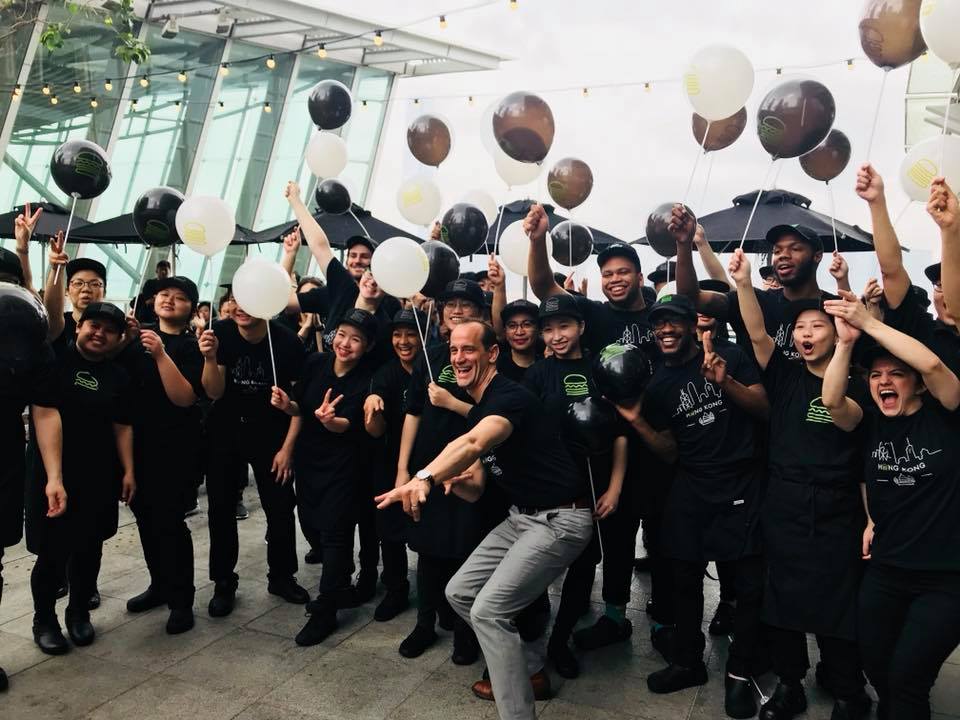
The pop-up sold out of burgers ahead of the official opening, which is the business result the campaign was accountable for.
Wall of Shack won Best Use of Social Media at the PR Awards 2018, organised by MARKETING-INTERACTIVE.
The restaurant opened May 1, 2018 at IFC Mall, with coverage from the South China Morning Post and Time Out Hong Kong.
Learning
A brand that travels well is not the one that looks the same everywhere. It is the one that finds the same habit in a new city and builds for that.
The campaign lesson is more specific. The worst constraint we had was that there was nothing to photograph, and the idea only exists because we treated that as the brief instead of working around it. Had the restaurant been finished, we would have shot the storefront and run a countdown, which is what most openings do and what nobody remembers afterwards.
Picking the wrong audience on purpose also paid off. Going after street photographers rather than food accounts looks like a mistake written down. It is why the campaign spread, because those people were already standing in front of these walls with a camera.